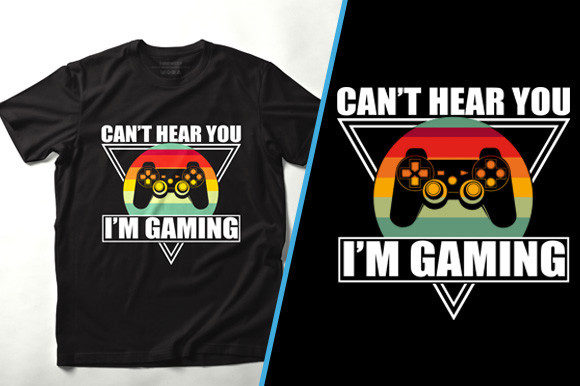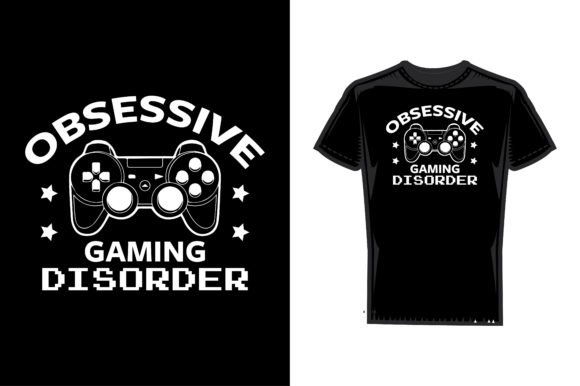
Obsessive Gaming Disorder & Visual Design
The line between immersive digital worlds and professional design aesthetics is where truly compelling modern branding begins, and understanding concepts like Obsessive Gaming Disorder helps designers tap into resonant visual languages.
In graphic design, leveraging such themes requires high-quality, flexible assets that can adapt across countless creative projects.
Flexible Assets for Dynamic Branding
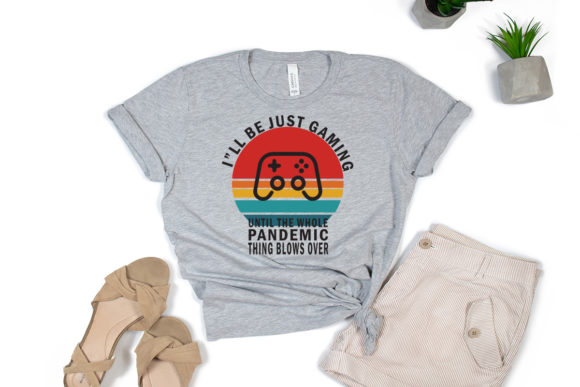
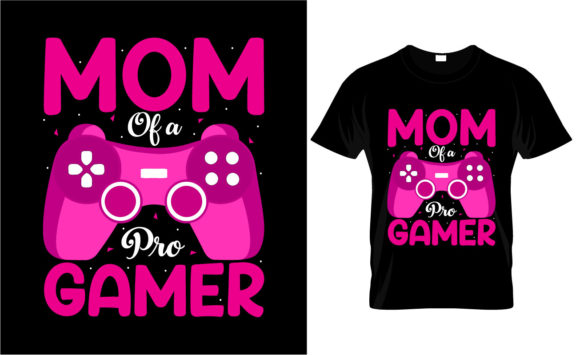
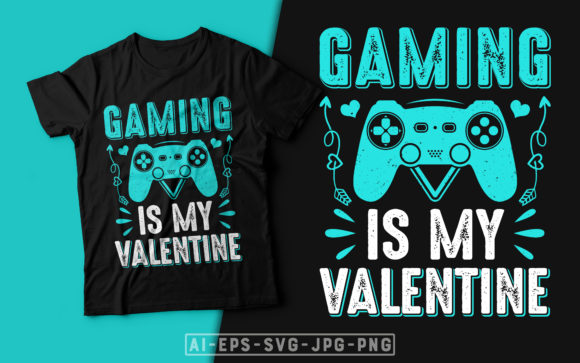
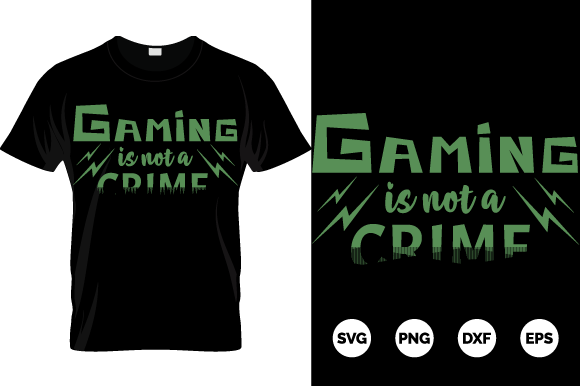
A versatile design file, like this simple Gaming t-shirt concept, is a cornerstone for efficient and impactful visual communication. The practicality begins with its technical specs: source files provided in both AI and EPS formats within a ZIP archive ensure compatibility across most professional design software. With all fonts and shapes expanded, the file is incredibly easy to edit, allowing designers to integrate it seamlessly into existing brand systems or customize it for specific campaigns without technical hurdles.
High-resolution output at 300 DPI and RGB color mode guarantees that the design looks crisp both in digital applications—like social media graphics or web UI elements—and in high-quality print scenarios, such as merchandise or packaging.
Applications Across Creative Projects
Such a well-prepared asset opens doors to numerous applications. Its three color variations and accompanying preview images allow for immediate testing within different visual contexts.
- Brand Identity & Merchandise: The design can evolve into a core logo element or be directly applied to apparel, creating tangible brand touchpoints.
- Digital Marketing & Social Media: Use the graphic in banner ads, email headers, or as striking visual content on platforms like Instagram and Twitch, where gaming culture thrives.
- Web & UI Design: Icons or illustrative elements derived from the design can enhance website aesthetics and user experience, contributing to a cohesive modern aesthetic.
- Editorial & Presentation Design: Incorporate it into blog layouts, digital magazines, or slide decks to break up text and reinforce thematic messaging.
Building Visual Hierarchy and Consistency
In any design workflow, maintaining consistency is key to strengthening brand identity. A single, adaptable source file acts as a visual anchor. By starting with this base, designers can ensure color palette harmony, typographic alignment, and compositional balance across all outputs—from advertising campaigns to digital product interfaces. This not only streamlines the production process but also builds a recognizable and professional presentation for the audience.
Evaluating Design Elements for Impact
When selecting and using such creative assets, consider these factors for maximum effectiveness:
- Scalability: The expanded vectors ensure the design remains sharp at any size, from a tiny app icon to a large billboard.
- Readability & Visual Hierarchy: Even a simple design must work within a layout’s hierarchy. Assess how it complements or contrasts with text and other imagery.
- Audience Expectations: For topics like gaming, the visual style should resonate with the community’s expectations while still meeting broader brand goals.
- Integration Potential: Test how the asset blends with your existing design system. The provided color variations allow for quick A/B testing against different backgrounds or within various color schemes.
Ultimately, thoughtful design choices are about marrying creative inspiration with practical execution. Quality creative assets, characterized by technical readiness and visual clarity, empower designers and marketers to communicate ideas more powerfully. They bridge the gap between a concept like Obsessive Gaming Disorder and its tangible expression in branding, turning niche themes into universal visual stories that enhance both aesthetics and communication across every platform.